You get the quote for professional cabinet painting, and your jaw hits the floor. Three thousand dollars? Five thousand? More? You could buy new cabinets for that price. At least, that’s what it feels like.
But here’s what most homeowners don’t realize: the number on that quote represents something far more complex than slapping paint on wood. When you’re hiring a cabinet painter, you’re paying for decades of accumulated skill, specialized equipment, and a process that takes days or weeks to execute properly. The main keyword that keeps popping up in homeowner searches is “hiring a cabinet painter,” and there’s a good reason for that. People want to understand what they’re actually getting before they write that check.
Let me walk you through exactly what that money buys, so you can decide whether it’s worth it for your situation.
Key Takeaways:
- Cabinet painting requires 8 to 15 steps of preparation before any paint touches the surface, including cleaning, sanding, priming, and curing time between coats.
- Professional painters use commercial-grade sprayers, dedicated spray booths or tents, and premium paints that most homeowners cannot access or operate effectively.
- Labor accounts for 70% or more of your total cost because the work is time-intensive and demands precision at every stage.
- A quality cabinet paint job can last 10 to 15 years, while a rushed or DIY job often shows wear within 2 to 3 years.
- The right painter will save you money long-term by preventing peeling, chipping, and the need for costly touch-ups or complete redos.
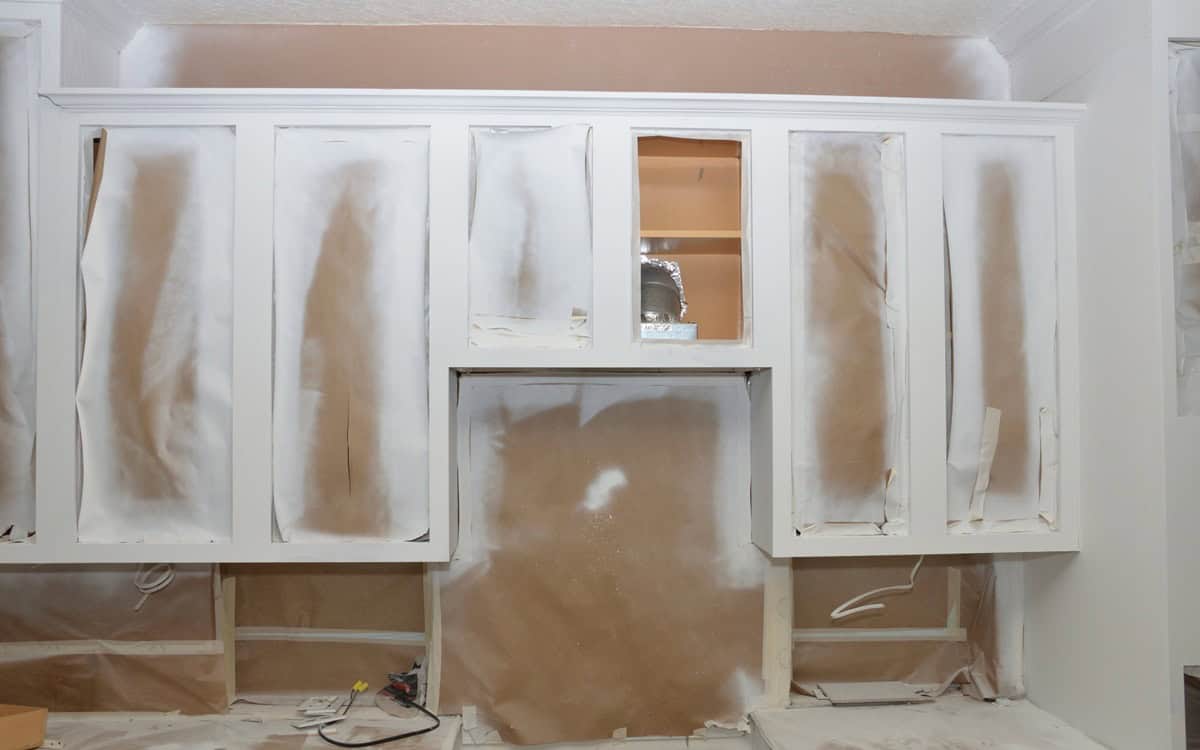
When you look at your kitchen cabinets, you see wood and a finish. When a professional cabinet painter looks at them, they see grease buildup from years of cooking. They see factory finishes that will reject new paint if not treated properly. They see hinges, handles, and hardware that need to be removed, cataloged, and reinstalled in the exact same spots.
The preparation phase of cabinet painting is where most of your money goes, and it’s also where shortcuts cause the biggest problems.
Here’s what happens before any paint touches your cabinets:
First, every door and drawer front comes off. Each piece gets labeled so it goes back in the right spot. The hinges get bagged and tagged. This process alone can take a full day on a standard kitchen.
Next comes the cleaning. Cabinets near your stove have absorbed years of cooking grease. Cabinets near your sink have dealt with steam and moisture. All of that has to come off, or the paint won’t stick. Professional painters use degreasing agents and may wash the surfaces multiple times.
Then there’s the sanding. Not just a quick once-over, but careful sanding that scuffs the existing finish enough for primer to grip. Some cabinets need chemical deglosser. Others need both. The painter has to read the existing finish and respond accordingly.
After sanding comes filling. Every dent, scratch, and imperfection gets filled with wood filler, then sanded smooth again. You might not notice that ding on your cabinet door right now, but under fresh paint with good lighting, it screams.
Only after all of this does priming happen. And primer isn’t just one coat and done. It needs to dry, then get sanded lightly, then often a second coat goes on.
This preparation work can take 60% to 70% of the total project time. And every step matters.
Why Professional Equipment Changes Everything
You could go to the hardware store, buy a gallon of cabinet paint and a brush, and paint your own cabinets this weekend. Technically, nothing is stopping you.
But the results won’t look the same. Not even close.
Professional cabinet painters use HVLP sprayers or airless sprayers that lay down paint in thin, even coats. These machines cost hundreds or thousands of dollars. They require training to operate correctly. They need to be cleaned meticulously between colors and at the end of each day.
Beyond the sprayers, professionals set up spray tents or booths that control dust and allow for proper ventilation. Your kitchen doesn’t have a built-in paint booth, so a professional brings one or rents space to spray doors off-site.
The paint itself matters too. Pros typically use waterborne alkyd paints or catalyzed lacquers that cure harder, resist chipping better, and level out smoother than what you’ll find on the shelf at your local home improvement store. These products often aren’t available to regular consumers, and when they are, they require specific application conditions to perform correctly.
All of this equipment and material costs money. More importantly, knowing how to use it takes experience.
The Labor Reality: Why Time Equals Money
A professional cabinet painting job on an average kitchen takes 3 to 5 days of actual work, sometimes spread over a week or two to allow for proper curing between coats. Larger kitchens or kitchens with more detail can take longer.
During that time, the painter is doing physical work that demands focus and precision. Spraying cabinet doors requires steady hands and consistent technique. One drip, one sag, one dust particle trapped in the finish, and that door needs to be sanded and resprayed.
Think about what you pay for other skilled trades. An electrician might charge $75 to $150 per hour. A plumber charges similar rates. A cabinet painter brings a specialized skill set that takes years to develop, and they’re often working in awkward positions, breathing fumes even with respirators, and managing the stress of working in someone’s home.
When you break down a $4,000 cabinet painting quote across 30 to 40 hours of labor, materials, equipment rental or ownership costs, insurance, and business overhead, the numbers start making sense. This isn’t a markup designed to gouge you. It’s the reality of doing the job right.
What Separates a $2,000 Job from a $6,000 Job
Not all cabinet painting quotes are created equal, and the cheapest option rarely represents the best value.
At the lower end, you might find painters who brush or roll cabinets instead of spraying. The finish won’t be as smooth. You might find painters who skip the full preparation process, hoping the existing surface will hold paint well enough. Sometimes it does. Often it doesn’t.
Mid-range quotes typically include proper prep work, quality sprayed finishes, and reasonable timelines that allow for proper curing. This is where most reputable professionals fall.
Higher-end quotes usually involve more complex work: detailed cabinet styles with lots of grooves and profiles, specialty finishes like glazing or distressing, or premium catalyzed products that cost more but last longer.
The question isn’t just “how much does this cost?” The question is “what am I getting for that price?”
A good painter will walk you through their process step by step. They’ll explain what products they use and why. They’ll give you a realistic timeline. They won’t promise a three-day turnaround on a job that legitimately takes two weeks.
If a quote seems too good to be true, ask questions. Find out what’s being skipped.
Let’s say you have two options. Option A costs $2,500 and the painter cuts a few corners on prep work. Option B costs $4,500 and includes full preparation, premium products, and a warranty.
Option A looks great on day one. But two years later, you notice chipping around the handles. Three years in, the finish near your stove is yellowing and peeling. By year five, you’re looking at either living with damaged cabinets or paying to redo the whole thing.
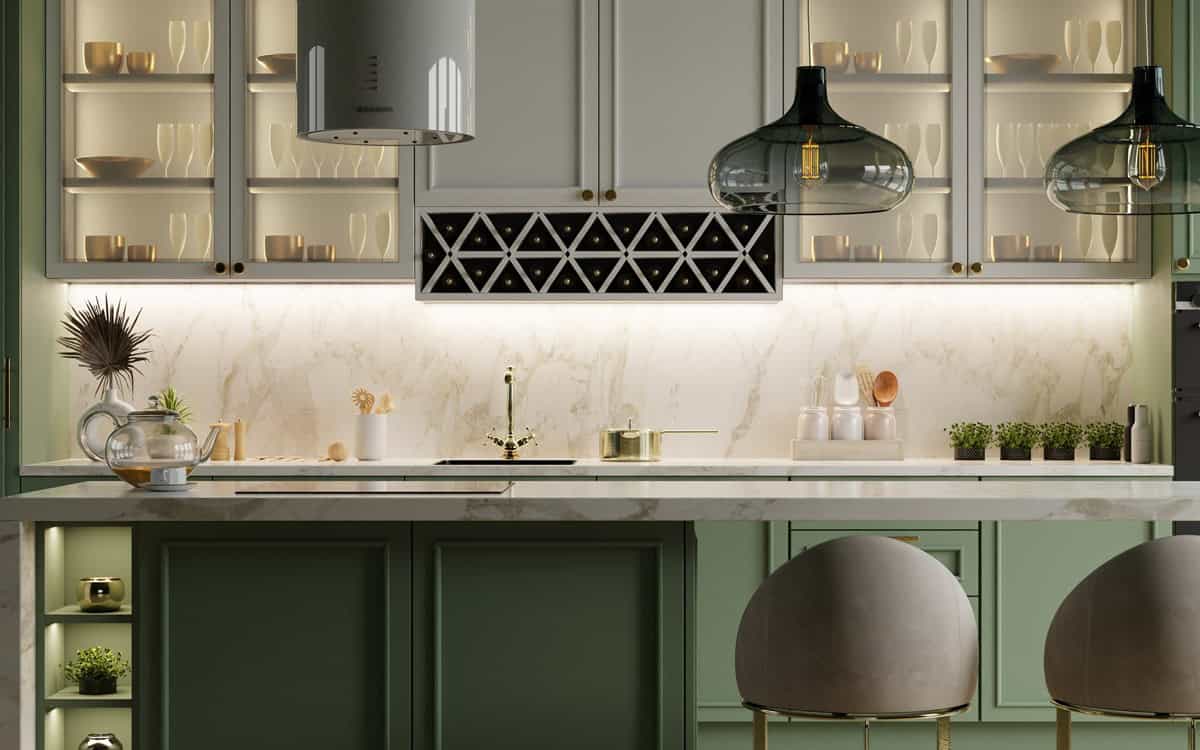
Option B still looks good at year five. At year ten, it’s showing some wear in high-traffic areas but nothing that needs immediate attention. At year fifteen, you might consider freshening things up, but the bones of the job are still solid.
Which option actually cost more?
Cabinet replacement runs $5,000 to $15,000 or more for an average kitchen, depending on materials and customization. A quality paint job that lasts 10 to 15 years buys you time, protects your investment, and keeps your kitchen looking current without the disruption and expense of ripping everything out.
When you run the numbers per year of service life, the premium paint job often comes out cheaper.
How to Know You’re Hiring the Right Person
Finding the right professional means asking the right questions:
- Ask about their process. A legitimate cabinet painter should be able to describe their steps in detail. If they can’t explain the prep work, that’s a red flag.
- Ask to see examples of their work. Photos are good. Addresses of past jobs you can drive by are better. References you can actually call are best.
- Ask about their products. What primer do they use? What topcoat? Why those specific products for your cabinets? A knowledgeable painter has answers.
- Ask about their timeline. Someone who promises a full kitchen in two days is either a miracle worker or skipping steps. Usually it’s the second one.
- Ask about their warranty. What do they cover? For how long? What happens if something goes wrong?
The answers to these questions tell you more than the price ever will.
When Cabinet Painting Isn’t the Right Choice
Honest painters will tell you when painting doesn’t make sense.
If your cabinets are structurally damaged, with warped doors, broken hinges, or deteriorating particle board, paint won’t fix those problems. It’ll just disguise them temporarily.
If your cabinets are made from certain materials like thermofoil that’s already peeling, painting over them is a temporary solution at best. The underlying problem will continue.
If you’re planning to sell your home in the next year and the cabinets are in rough shape, you might be better served by replacement. Buyers can spot a paint job covering real problems.
A professional who assesses your specific situation and sometimes recommends against painting is a professional you can trust.
Your Kitchen, Your Decision
The price tag for professional cabinet painting reflects real costs: labor from skilled workers, materials that perform better than consumer-grade products, equipment that produces superior results, and expertise developed over years of practice.
You’re not paying for someone to slap paint on wood. You’re paying for a transformation that, done right, lasts a decade or more and makes your kitchen feel new again without the chaos of a full remodel.
Is it worth it? That depends on your budget, your timeline, and how long you plan to enjoy those cabinets. But now you know what you’re actually buying.
Want to get a detailed quote for your kitchen cabinets?
The team at JK Painting Service Corp walks every homeowner through the exact process, products, and timeline before any work begins. No surprises. No shortcuts. Just honest answers about what your project requires and what it will cost.
Call 781-650-7296 to schedule your in-home consultation. Bring your questions. The more you know, the better decision you’ll make.