Paint does more than change a room. The product inside the can shapes the indoor air for weeks after the work ends, which is why families looking at interior painters in Concord, MA, are asking sharper questions than they used to. Sustainable interior painting puts that concern at the front of every choice the team makes. Today’s interior house painting options have come a long way from the cans of twenty years ago.
With the right plan, a freshly painted home does not need to carry a chemical smell that hangs in the hallway through bedtime stories.
Key Takeaways
Why the Smallest Lungs in the House Feel Paint First
A child’s body is small, but their breathing rate is high. They draw in more air relative to their size than any adult in the household. So whatever floats in indoor air absorbs faster into a small body. In fact, the EPA notes that volatile organic compounds, or VOCs, often sit at much higher levels indoors than outside. Paint, sealants, cleaning products, and pressed-wood furniture all add to that indoor mix.
After a wall has been painted, the curing process can continue to release VOCs for days or even weeks. Kids who spend hours on the floor stay closer to the source than the adults walking through. That fact is not a reason to panic. It is a real reason interior house painting choices matter more in homes with little ones than in homes without them. The right paint quietly protects the air for months.
What Counts as a Truly Low-VOC Product
The “eco” label has been stretched thin by marketing. Numbers and certifications cut through the noise. Massachusetts follows the Ozone Transport Commission rules set forth in 310 CMR 7.18. These rules cap VOC content for paints sold in the state. Flat interior paint, for example, cannot release more than 50 grams of VOCs per liter. By contrast, older formulations once held four to six times that amount.

Past what state law allows, third-party labels mean more than brand promises. Ask about GREENGUARD Gold, Green Seal, and the EPA Safer Choice mark. Each label means an independent group has tested the product against published health limits. Some certified options also have no detectable odor, which makes a real difference in a kid’s bedroom. Sustainable interior painting starts with reading those labels and choosing accordingly. So when a family talks with interior painters in Concord, MA, about safer products, those certifications are the right place to focus.
Why Concord’s Housing Stock Adds an Extra Layer
Concord is full of homes that predate the 1978 federal lead paint ban. Many of those houses have been repainted many times since. But the original layers can still sit underneath. Disturbing those old layers during prep work releases lead dust, which is a separate hazard from VOCs and especially harmful to growing kids. So a real conversation about sustainable interior painting in Concord has to include lead paint risk, not just paint chemistry.
A licensed interior painter trained in EPA’s Lead Renovation, Repair, and Painting (RRP) protocol knows how to contain that dust during the job. That training is not a nice-to-have. In a home with kids, it is the foundation of every safe paint project. When interior painters in Concord, MA take on a project in an older home, lead-safe prep should be part of the same plan as low-VOC product selection.
How JK Painting Service Corp Walks Parents Through Their Options
JK Painting Service Corp is a family-owned business serving Middlesex County. The team brings more than 80 years of combined experience and over 1,000 completed projects. They are a PCA-accredited contractor, fully licensed and insured, and Google Guaranteed.
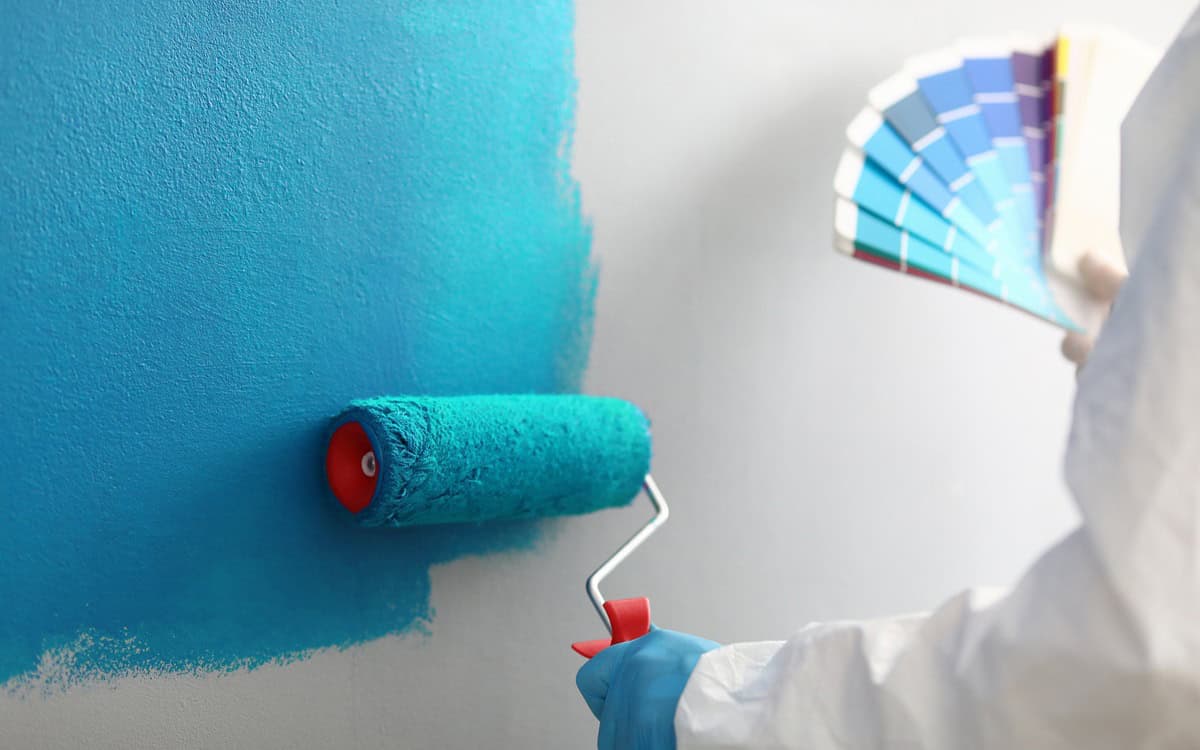
When a parent calls about sustainable interior painting, the team starts with a free in-home estimate. They talk through which rooms need work, what kind of interior house painting fits the family schedule, and which products keep VOCs low. Color consultations are part of the same visit, so parents can see swatches against the actual wall, in actual lighting. You always know what you will pay before any prep work begins.
So an interior painter from JK Painting is not only thinking about color and finish. They are also planning around dust containment, room ventilation, and the family’s daily schedule. That is what sustainable interior painting actually looks like in practice.
A Three-Move Plan Most Parents Can Follow
Interior house painting in a home with kids does not have to feel like a science project. Here is a clear path:
- 1Get a free, no-pressure estimate. Tell the interior painter which rooms matter most. Mention any allergies, asthma, or sensitivities in the family.
- 2Lock in low-VOC or zero-VOC products. Ask for items that meet OTC limits and carry independent certifications. Sustainable interior painting only works when the can supports the goal.
- 3Time the rooms around your family. Bedrooms are easier on a weekend away, or on warm-weather days when ventilation can run wide open.
This plan works for one nursery refresh or a full interior house painting overhaul. It cuts the guesswork. It also gets parents off late-night research forums.
What Skipping the Conversation Looks Like Months Later
Cutting corners on paint chemistry does not always show up the day the painters leave. The bigger problems show up weeks later. A kid wakes up with watery eyes more often. Headaches start to creep in around bedtime. A child with mild asthma has a rougher fall than usual. None of these outcomes is guaranteed. But the odds tilt the wrong way when high-VOC products fill tightly closed New England homes during heating season.
Long-term home value matters too. Families settling into Concord for the long haul still benefit from paint that holds up to washing, daylight, and active kids. A finish that survives toddler hands and pet brushes saves money on repaint cycles down the road.
Picture a Paint Day Without the Headache
Open the bedroom door on the night the painters wrap up. The walls look freshly done. The trim looks sharp. Nothing harsh hits the air. The room feels settled and clean. Your kid falls asleep that night without rubbing their eyes or coughing. Bedtime feels normal again.

Working with skilled interior painters in Concord, MA, who take indoor air as seriously as the finish is how parents reach that result. An interior painter who can talk about VOC numbers, certifications, and lead-safe prep is a real differentiator. The one who skips that conversation will pay less today but more later.
Schedule Your Concord, MA Sustainable Interior Painting Consultation
Every painted room in a family home is also a small commitment to the people who live in it. The team at JK Painting Service Corp is set up to discuss sustainable interior painting options, provide a no-cost color consultation, and provide a written quote before any prep work begins. When you are ready, call 781-650-7296 for a no-cost in-home walkthrough.
A great-looking home and breathable indoor air belong in the same project