If you’re planning to improve your home’s curb appeal, residential pressure washing services are often one of the first things homeowners consider. But when comparing pressure washing vs soft washing, it’s important to understand that the right method depends on the material you’re cleaning, not just how dirty it looks.
Many homeowners schedule exterior cleaning before repainting their homes or as part of their seasonal maintenance routine. While both pressure washing and soft washing remove dirt, algae, mold, mildew, and other contaminants, they do so in very different ways. Choosing the wrong method can leave behind stains—or worse, damage your siding, roof, deck, or other exterior surfaces.
So, how do you know which one your home actually needs? This guide answers the most common questions homeowners ask so you can make an informed decision before investing in exterior cleaning.
Key Takeaways:
What Is Pressure Washing?
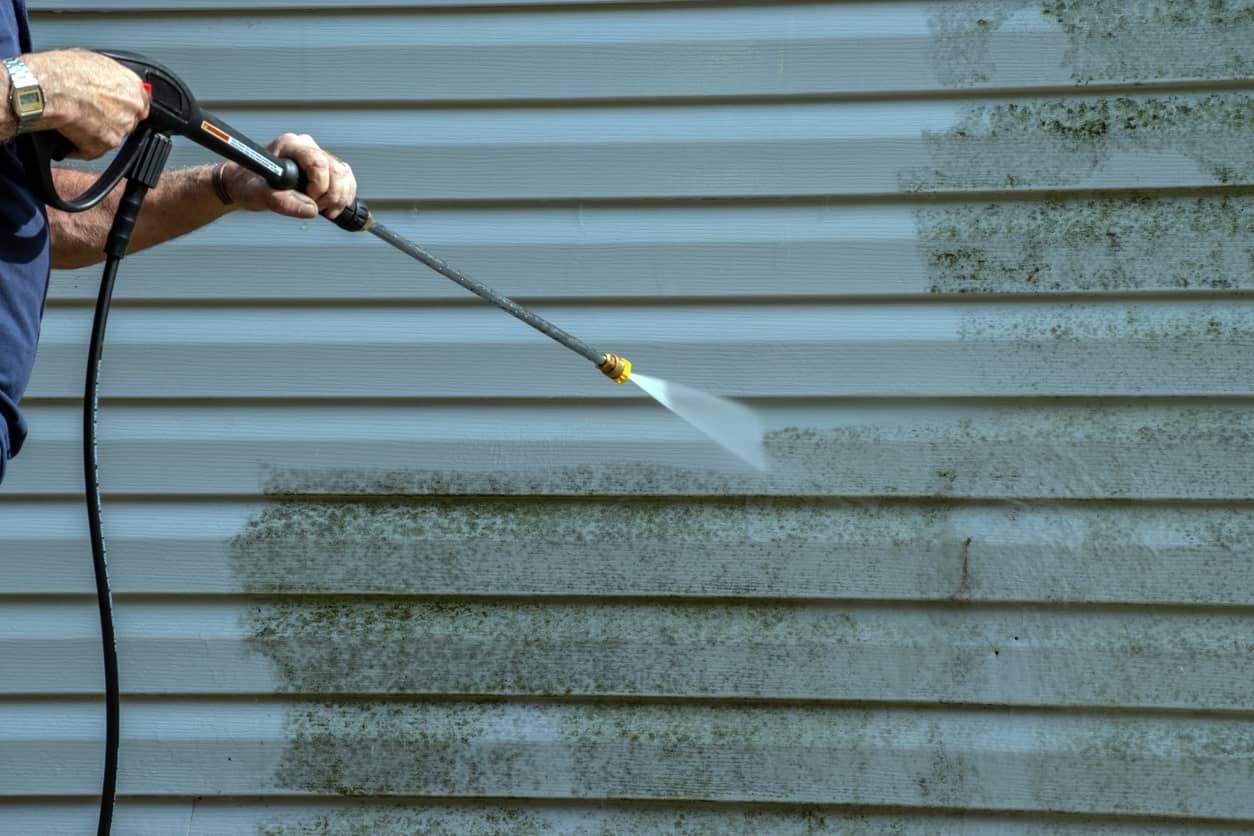
Pressure washing uses highly pressurized water to remove dirt, grime, mud, loose paint, and surface buildup from hard exterior surfaces. Depending on the equipment and application, pressure can range from several hundred to several thousand PSI.
Because of its cleaning power, pressure washing is ideal for durable materials that can withstand strong water pressure without being damaged.
Pressure washing is especially effective for removing years of accumulated dirt, oil stains, and other stubborn contaminants that ordinary garden hoses simply cannot remove.
However, more pressure is not always better. Using excessive pressure on delicate materials can crack, splinter, gouge, or force water behind siding, potentially leading to costly repairs.
What Is Soft Washing?
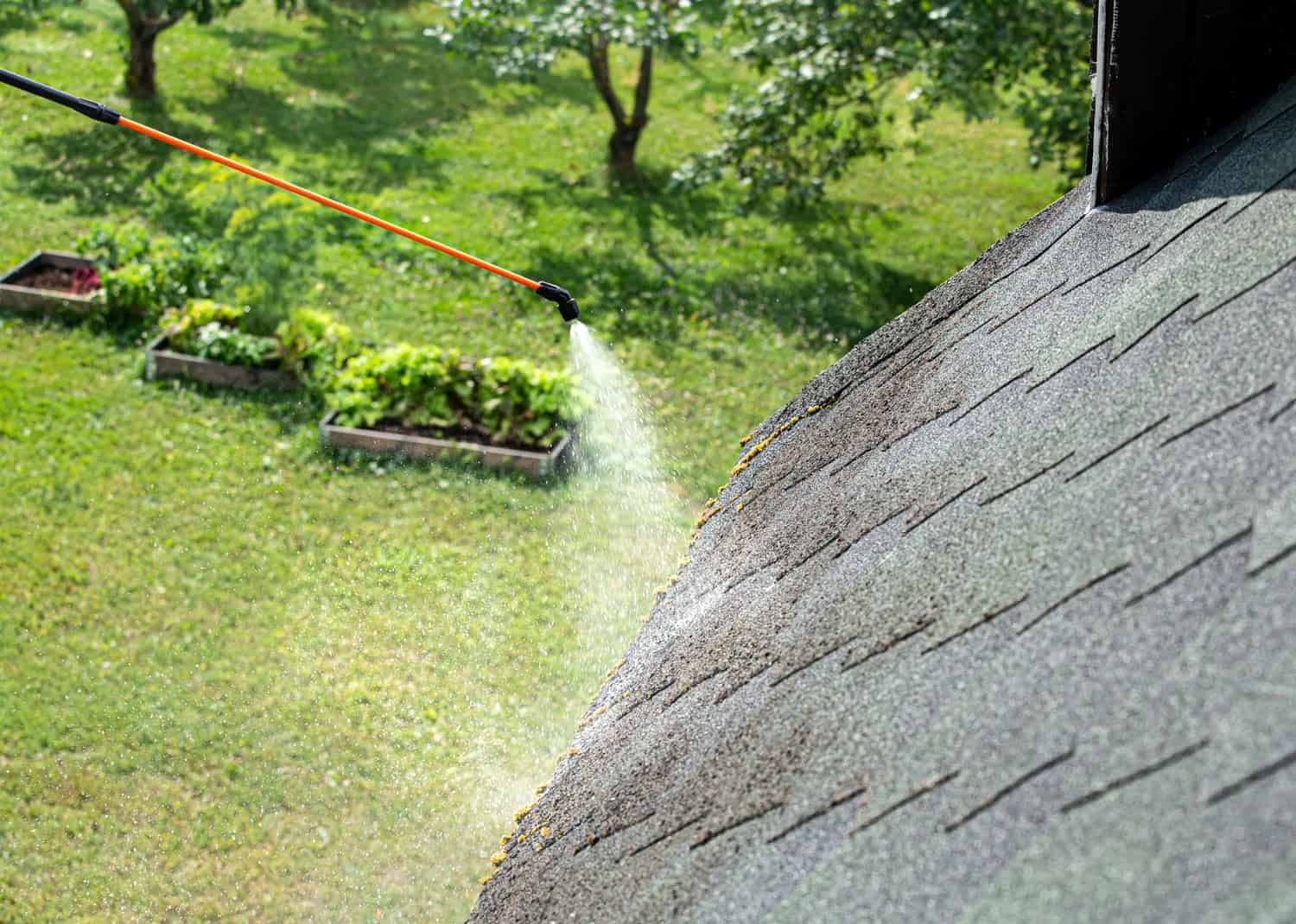
Soft washing uses low-pressure water combined with professional-grade cleaning solutions that break down mold, mildew, algae, bacteria, pollen, and organic stains.
Instead of relying on force, soft washing relies on chemistry to clean surfaces thoroughly and safely.
One major advantage of soft washing is that it doesn’t simply rinse away surface stains. It targets the organisms causing discoloration, helping keep surfaces cleaner for a longer period.
Pressure Washing vs. Soft Washing: What’s the Difference?
Although both methods improve your home’s appearance, they work differently and are intended for different applications.
| Feature | Pressure Washing | Soft Washing |
|---|---|---|
| Water Pressure | High pressure | Low pressure |
| Primary Cleaning Method | High-pressure water removes dirt and debris. | Low-pressure water and specialized cleaning solutions remove contaminants. |
| Best For | Concrete, brick, stone, driveways, sidewalks, and patios. | Vinyl siding, stucco, painted wood, roofs, gutters, and fences. |
| Removes Dirt | Excellent | Excellent |
| Removes Mold & Algae | Removes visible buildup but may not eliminate the source. | Kills and removes mold, mildew, and algae at the source. |
| Risk of Surface Damage | Higher if used on delicate materials. | Very low when performed correctly. |
| Ideal Before Painting | Concrete and other hard surfaces. | Most siding, trim, and painted exterior surfaces. |
Understanding this distinction helps homeowners avoid unnecessary damage while achieving better cleaning results.
Which Exterior Surfaces Should Be Pressure Washed?
Pressure washing works best on surfaces designed to withstand significant force.
Which Surfaces Should Be Soft Washed?
Soft washing is the preferred choice whenever the surface could be damaged by excessive pressure.
How to Decide Between Pressure Washing and Soft Washing
One of the most common questions homeowners ask is, “Which cleaning method is right for my house?” The answer depends on the material being cleaned and the type of buildup you’re trying to remove.
Choose pressure washing if you’re cleaning:
- Concrete driveways
- Sidewalks
- Brick patios
- Stone walkways
- Retaining walls
- Other hard, durable surfaces
Choose soft washing if you’re cleaning:
- Vinyl siding
- Fiber cement siding
- Painted wood
- Stucco
- Roof shingles
- Gutters
- Exterior trim
- Fences
Many homes actually benefit from both methods. For example, a professional cleaning may include pressure washing the driveway and walkways while soft washing the siding, roof, gutters, and trim. Using the right technique for each surface provides the best results while minimizing the risk of damage.
Is Pressure Washing or Soft Washing Better Before Painting?
If you’re preparing your home for a fresh coat of paint, cleaning the exterior is one of the most important steps.
Paint adheres best to a clean surface. Dirt, chalky residue, mold, mildew, pollen, and loose debris can prevent paint from bonding properly, leading to peeling or premature failure.
For most homes, soft washing is the preferred method before repainting because it:
Pressure washing may still be appropriate for concrete foundations, masonry, patios, and other hard surfaces surrounding the home. The best preparation often combines both methods where appropriate.
Common Questions Homeowners Ask
Can pressure washing damage my home?
Yes—if it’s used on the wrong surface or by someone using improper techniques.
Excessive pressure can:
That’s why experienced professionals evaluate each surface before deciding which cleaning method to use.
Does soft washing actually remove mold and algae?
Yes. Unlike pressure washing, which primarily removes surface buildup, soft washing uses specialized cleaning solutions designed to break down and eliminate mold, mildew, algae, and other organic contaminants.
Because the source of the growth is treated, surfaces often stay cleaner longer than they would with water pressure alone.
Which method lasts longer?
Soft washing often delivers longer-lasting results on siding and roofs because it targets the organisms responsible for recurring stains.
Pressure washing effectively removes dirt and grime from hard surfaces, but areas exposed to moisture and shade may accumulate algae and mildew again over time. Regular maintenance helps keep your home’s exterior looking its best.
Can I do it myself?
Many homeowners consider renting pressure washing equipment for a weekend project. While DIY cleaning may seem like a way to save money, it’s important to understand the risks.
Consumer-grade equipment can still produce enough pressure to damage siding, wood, trim, and landscaping if used incorrectly. In addition, cleaning multi-story homes or roofs introduces safety concerns that should not be overlooked.
Professional exterior cleaning companies are trained to:
Hiring a professional can help prevent costly repairs caused by improper cleaning techniques.
Why Professional Exterior Cleaning Matters
A clean exterior does more than improve curb appeal. Routine cleaning can help extend the life of your home’s exterior materials by removing contaminants that contribute to staining, discoloration, and deterioration.
Professional exterior cleaning may also:
Whether you’re getting ready to repaint, preparing to sell your home, or simply refreshing your property’s appearance, choosing the right cleaning method can make a noticeable difference.
Final Thoughts on Pressure Washing vs Soft Washing
When comparing pressure washing vs soft washing, there isn’t a one-size-fits-all answer. Each method has its place, and the best choice depends on the material being cleaned and the condition of your home’s exterior.
Pressure washing delivers excellent results on durable surfaces such as concrete, brick, and stone. Soft washing is the safer option for siding, roofs, painted surfaces, stucco, and other delicate materials that require a gentler approach.
The most effective exterior cleaning projects often combine both techniques, using each where it performs best. An experienced professional can evaluate your property and recommend a customized cleaning plan that protects your investment while delivering outstanding results.
Ready to Refresh Your Home’s Exterior?
Whether you’re preparing for repainting, tackling seasonal maintenance, or simply restoring your home’s curb appeal, choosing the right cleaning method is the first step toward lasting results.
At JK Painting Service Corp, we provide professional exterior cleaning solutions tailored to your home’s unique needs. Our team carefully evaluates every surface and recommends the safest, most effective approach—whether that’s pressure washing, soft washing, or a combination of both.
Contact JK Painting Service Corp today at 781-650-7296 to schedule your free estimate. We look forward to helping your home look its very best.