If you’re searching for professional deck painting services, chances are you’re frustrated. Maybe you spent good money having your deck painted, only to watch it peel, blister, or flake within a season. If you’ve found yourself asking why does deck paint peel, you’re not alone—and the good news is that the problem usually has a clear cause.
A beautiful deck should last for years, not months. When paint fails early, it isn’t just disappointing. It wastes time, money, and leaves your outdoor space looking neglected. Understanding why deck paint peels is the first step toward making sure it never happens again.
Key Takeaways:
You Wanted a Beautiful Deck—Not Another Home Improvement Headache
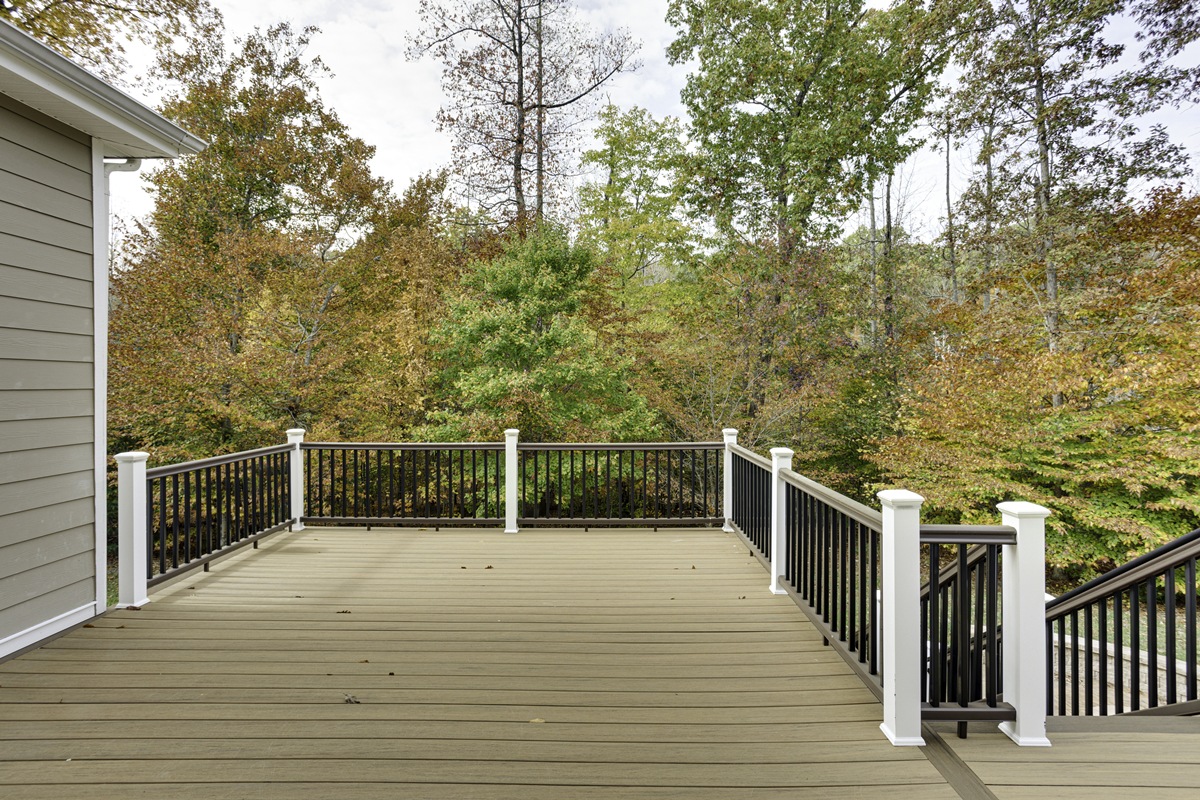
Your deck is more than just a place to walk. It’s where you enjoy summer evenings, host family cookouts, and relax after a long day. When fresh paint starts peeling after only a few months, it feels like something went seriously wrong.
The frustrating part is that many homeowners assume the paint itself was defective. In reality, the paint is often only a symptom of a larger issue.
Most deck paint failures happen because the surface wasn’t properly prepared before the first coat was applied.
That’s why some decks stay beautiful for years while others begin peeling after one harsh winter.
Why Does Deck Paint Peel?
Several problems can cause paint to fail prematurely. Sometimes it’s one issue. Often it’s a combination of several.
1. Moisture Trapped Inside the Wood
Wood naturally absorbs moisture.
If the deck wasn’t allowed to dry completely after washing, rain, or humidity, moisture becomes trapped beneath the paint film.
As temperatures change, that trapped moisture expands and tries to escape.
The result?
This is one of the most common reasons homeowners experience early paint failure.
2. Poor Surface Preparation
Preparation is everything.
If dirt, mildew, algae, loose paint, or weathered wood remain on the surface, fresh paint cannot properly bond.
Skipping even one preparation step dramatically shortens the life of the finish.
Professional preparation often includes:
The better the preparation, the better the final result.
3. Painting Over Old Failing Coatings
Many decks have several generations of old paint or stain underneath.
If those older layers are already losing adhesion, adding another coat simply hides the problem temporarily.
Eventually, the entire stack of coatings separates from the wood.
Instead of bonding to solid wood, the new paint is only attached to old failing paint.
4. The Wrong Product Was Used
Not every paint belongs on a deck.
Deck surfaces experience:
Using paint intended for porches, siding, or general exterior trim can lead to premature failure.
Choosing products specifically designed for horizontal deck surfaces is essential.
5. Weather During Application
Even perfect preparation can be ruined by poor weather conditions.
Painting when it’s:
can prevent proper curing.
Paint needs time to bond and harden.
During this curing period, the coating forms a strong connection with the surface and develops its durability. If temperatures fluctuate too much, humidity is too high, or rain hits the surface too soon, the paint may not set properly.
If weather interferes during that process, peeling often follows.
Sometimes the Wood Is the Real Problem
Older decks often develop problems beneath the surface.
Wood that has:
may no longer provide a stable surface for paint.
In these cases, repairs should happen before painting begins. This might include replacing rotted boards, reinforcing weakened areas, or addressing structural issues that compromise the deck’s integrity.
Covering damaged wood with fresh paint only delays the inevitable, as the underlying problems will continue to worsen and eventually cause the new paint to fail as well.
Why Some Decks Last for Years
You may have noticed one neighbor’s painted deck looks fantastic after five years while another begins peeling after one winter.
The difference usually isn’t luck.
It’s preparation.
Successful deck painting is a process—not simply applying paint.
Professionals know that every step builds on the previous one. From thorough cleaning and proper drying to sanding and selecting the right coating, each stage plays a critical role in how well the paint adheres and performs over time.
Skipping preparation saves time today but often creates expensive repairs later, as poorly bonded paint is far more likely to peel, crack, or fail prematurely.
Research also supports the importance of proper preparation and product selection. According to outdoor wood finishing research from North Carolina State University, moisture, ultraviolet (UV) exposure, and the type of coating used all play a major role in how well a finish performs over time.
Learning more about protecting wood from moisture and UV damage can help homeowners understand why a quality deck paint job involves much more than simply applying a fresh coat of paint.
How to Stop Deck Paint From Peeling Again
If you’re planning to repaint your deck, here’s how to improve the chances of long-lasting results.
Clean Thoroughly
Remove dirt, mildew, pollen, algae, and old debris.
Even small amounts of buildup can prevent paint from adhering properly, leading to uneven coverage and early peeling. A thorough cleaning ensures the surface is free of anything that could interfere with the bond between the wood and the paint.
Paint bonds to clean wood—not contaminants.
Remove Loose Paint
Never paint over peeling paint.
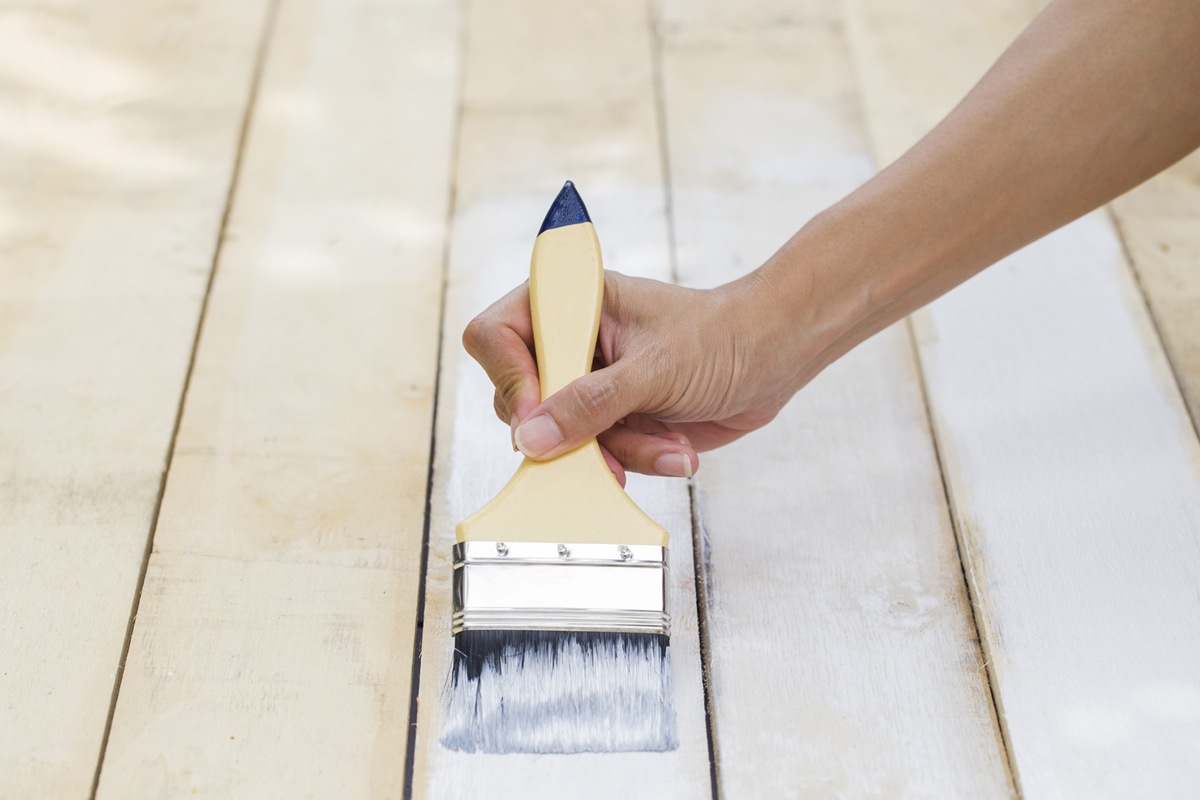
Loose coatings must be scraped away so new paint bonds to a stable surface. If you skip this step, the new layer will simply adhere to the failing paint beneath it, causing it to peel just as quickly. Taking the time to remove all loose material ensures a stronger, longer-lasting finish.
Sand Rough Areas
Sanding smooths damaged fibers while creating a better surface for adhesion.
It also helps feather the edges of remaining paint, allowing new coatings to blend more evenly and reducing the chances of visible lines or future peeling.
Replace Damaged Boards
Rotting or severely weathered boards should be repaired before painting. When wood has begun to break down, it loses the strength and stability needed to hold a coating properly. Painting over damaged boards may improve appearance temporarily, but it does nothing to address the underlying issue and can even trap moisture, accelerating further deterioration. Fresh paint cannot fix structural problems.
Let the Deck Dry Completely
Moisture testing is often overlooked, yet it plays a critical role in ensuring a long-lasting paint job. Even if the surface feels dry to the touch, moisture can remain trapped deeper within the wood fibers, especially after rain or cleaning. This hidden moisture can later expand and push against the paint layer, leading to bubbling and peeling. Taking the time to properly test and confirm that the wood is fully dry before painting helps prevent these issues and significantly improves the durability of the finish.
Use High-Quality Products
Premium deck coatings are formulated with advanced resins and additives that allow them to expand and contract with temperature changes, resist UV damage from sunlight, and repel moisture that can lead to peeling or rot. They also provide a durable surface that can withstand regular foot traffic without wearing down quickly.
Choosing the right coating for your specific deck material—whether it’s pressure-treated wood, cedar, or composite—ensures proper adhesion and performance. Matching the product to the surface helps extend the life of the finish and reduces the need for frequent maintenance.
Apply Paint Under Ideal Conditions
Temperature and humidity matter because they directly affect how paint dries and bonds to the surface. If conditions are too hot, too cold, or too humid, the coating may not cure evenly, leading to weak adhesion and a higher risk of peeling. Following manufacturer recommendations ensures the paint has the right environment to cure properly, resulting in a stronger, longer-lasting finish.
Why Hiring Professionals Saves Money
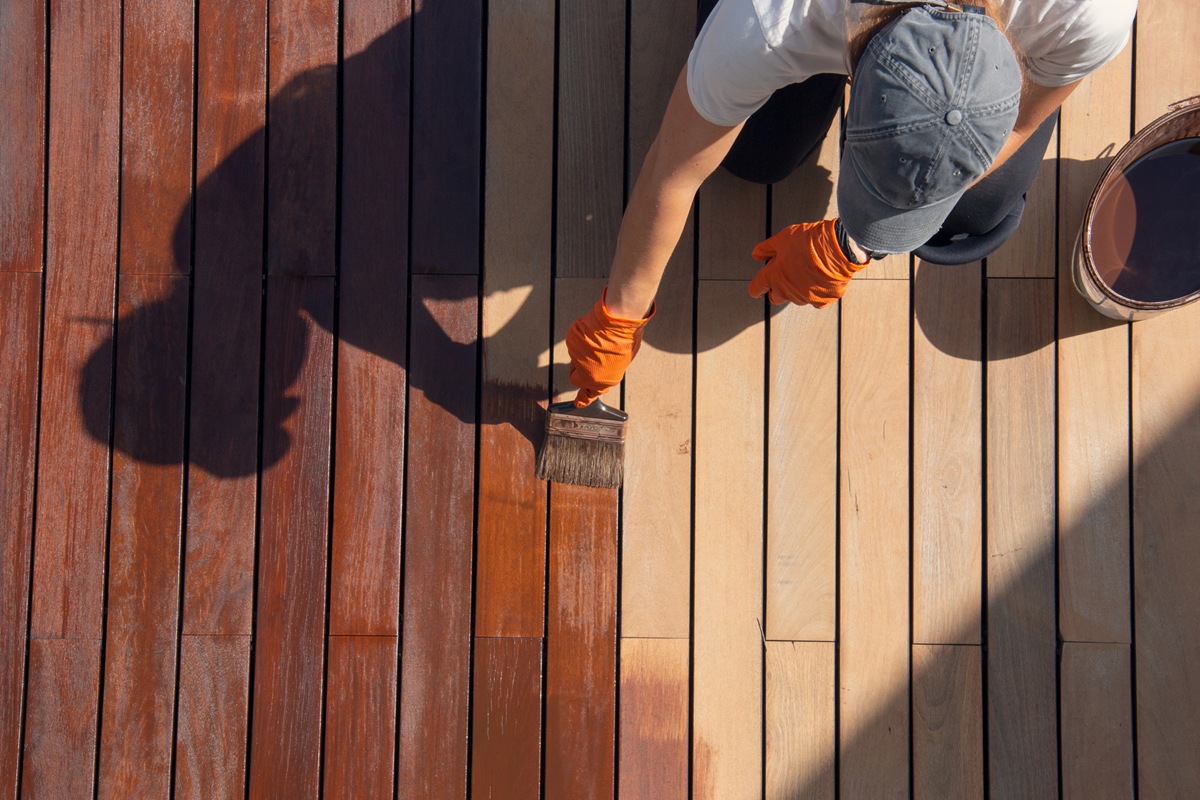
Many homeowners decide to repaint their own deck after experiencing peeling paint.
Unfortunately, if the original cause isn’t corrected, the second paint job often fails too.
Experienced contractors know how to identify the root cause before opening the first can of paint.
They evaluate:
Addressing these factors helps produce a finish that lasts significantly longer.
The Result You Actually Want
Imagine stepping onto your deck next spring and seeing smooth, beautiful paint instead of peeling edges and bare wood.
No embarrassment.
No wasted money.
No wondering whether you’ll have to repaint again next year.
That’s what happens when the job is done correctly from the beginning.
If you’ve been asking why does deck paint peel, the answer usually isn’t just the paint itself. It’s the preparation, the moisture, the materials, and the experience behind the project.
When every step is handled with care, your deck can stay beautiful season after season.
Ready for a Deck Finish That Lasts?
If your deck has started peeling—or you want to avoid the problem altogether—turn to JK Painting Service Corp for expert deck painting services in Wellesley, MA. Our team takes the time to prepare every surface correctly, use quality materials, and deliver results built to withstand New England weather.
Call 781-650-7296 today to schedule your consultation and discover how a properly painted deck can transform your outdoor space for years to come.