If you’re planning an interior commercial painting project, you already know the price can add up fast. Understanding large-scale commercial painting costs before you start can save you stress, time, and money.
A fresh coat of paint can change how people see your building. It can attract tenants, impress clients, and protect your property. But without a clear plan, costs can spiral out of control. This guide breaks it all down in simple terms so you can build a smart, realistic budget.
Key Takeaways:
- Large-scale commercial painting costs depend on size, scope, materials, labor, and prep work.
- Interior and exterior projects have different cost drivers.
- Prep work often has the biggest impact on your total budget.
- The cheapest bid is not always the best value.
- A clear scope of work prevents surprise expenses.
- Planning ahead can reduce downtime and lost revenue.
What Impacts Large-Scale Commercial Painting Costs?
Every building is different. That is why no two painting projects cost the same. Here are the main factors that affect your budget:
1. Size of the Building
This is the biggest factor. Most contractors price commercial jobs by square footage. The more surface area you have, the more paint, labor, and time you will need.
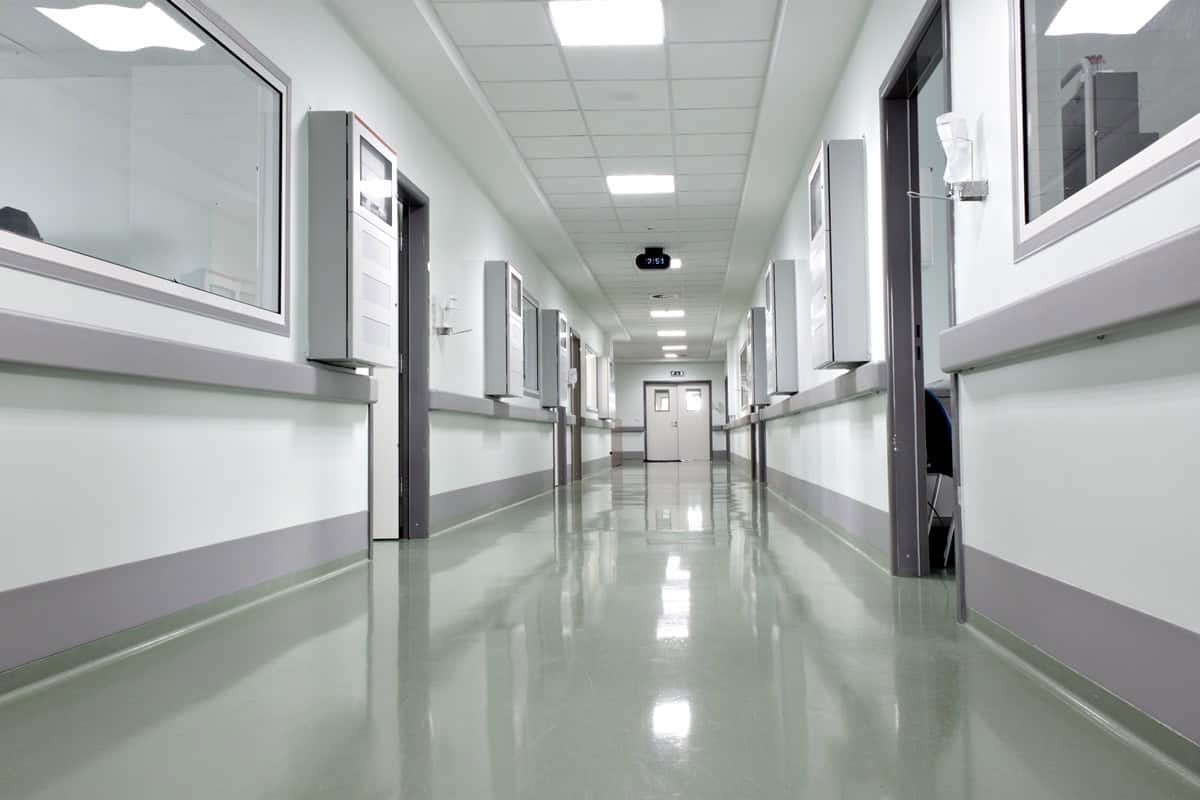
Large warehouses, office buildings, retail centers, and multi-unit facilities all come with different layouts. High ceilings, stairwells, and tight spaces can also increase labor time.
2. Interior vs. Exterior Work
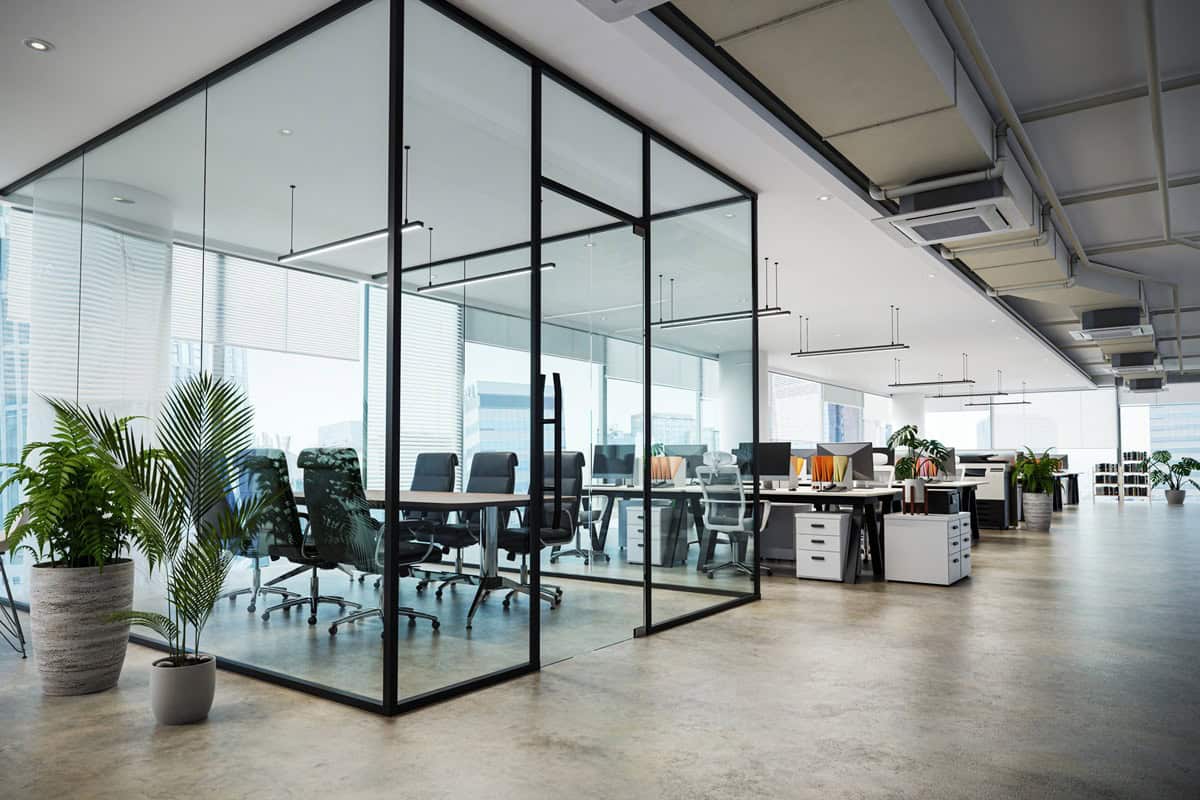
An interior commercial painting project usually costs less per square foot than exterior work. Why? Exterior painting often requires:
- Lifts or scaffolding
- Weather planning
- Power washing
- More durable paint systems
Interior projects may require after-hours work to avoid interrupting tenants or staff. That can increase labor costs.
3. Surface Condition and Prep Work
Prep work can make or break your budget.
If your building has:
- Peeling paint
- Cracks in drywall
- Water damage
- Rusted metal
- Mold or mildew
You will need repairs before painting begins. Prep work may include sanding, patching, priming, caulking, and cleaning. In many cases, prep work accounts for 30% to 50% of the total project cost.
Skipping prep might save money upfront. But it often leads to early paint failure and higher long-term costs.
4. Type and Quality of Paint
Not all paint is the same.
Higher-quality coatings cost more per gallon, but they:
- Last longer
- Resist fading
- Stand up to heavy traffic
- Require fewer coats
For high-traffic spaces like hallways or lobbies, investing in better paint can reduce maintenance costs over time.
5. Access and Safety Requirements
Does your building require special safety training? Are there restricted areas? Will lifts or swing stages be needed?
Complex access increases labor time and equipment costs. Safety planning also adds to the overall budget, but it protects everyone involved.
6. Timeline and Scheduling
Do you need the work done quickly? Are you working around tenants?
Fast-track jobs or overnight shifts often cost more. A flexible schedule can sometimes lower your total investment.
Average Cost Expectations
While prices vary by region, most commercial painting projects are priced per square foot.
- Interior commercial spaces often range from $2 to $6 per square foot.
- Exterior commercial projects often range from $3 to $8 per square foot.
Large-scale commercial painting costs for a full building can range from tens of thousands to several hundred thousand dollars, depending on size and scope.
The best way to get accurate numbers is through a detailed on-site assessment.
How to Build a Smart Budget
Now let’s walk through a simple process to create a reliable budget.
Step 1: Define the Full Scope of Work
Write down exactly what you want painted.
- Interior walls?
- Ceilings?
- Doors and trim?
- Exterior siding?
- Metal railings?
- Parking garages?
The clearer you are, the more accurate your estimate will be.
Step 2: Assess the Current Condition
Walk the property with a contractor. Identify repairs early. Hidden damage is one of the biggest reasons projects go over budget.
Ask for a written breakdown of:
- Surface repairs
- Priming needs
- Coating systems
- Number of coats
Transparency prevents surprise charges later.
Step 3: Get Detailed, Itemized Bids
Do not rely on one-line estimates.
A professional proposal should clearly list:
- Labor costs
- Material costs
- Equipment
- Prep work
- Timeline
- Warranty details
This makes it easier to compare bids fairly.
Step 4: Plan for Contingencies
Even the best plan can run into surprises.
Set aside 10% to 15% of your total budget for unexpected issues. This cushion protects your cash flow.
Step 5: Consider Long-Term Value
The lowest bid is not always the best choice.
Ask yourself:
- How long will this paint system last?
- Does the contractor offer a warranty?
- What is their safety record?
- Do they have experience with large commercial properties?
Paying slightly more now can reduce repainting costs later.
Now let’s walk through a simple process to create a reliable budget.
Hidden Costs Commercial Building Owners Should Watch For
Large projects often come with costs that are easy to overlook. Beyond the obvious expenses like labor and materials, there are indirect and secondary costs that can quietly impact your total investment. These may include tenant coordination, temporary closures, equipment rentals, compliance requirements, and administrative time spent managing the project. When these factors are not discussed early, they can catch building owners off guard and push the final price higher than expected.
- Tenant Disruption: If tenants must close or reduce hours during the project, you may face indirect revenue loss. Careful scheduling, phased work, and after-hours painting can help reduce this financial impact.
- Color Changes: Switching from dark to light colors often requires extra primer and additional coats. This increases both material usage and labor time, which raises overall project costs.
- Change Orders: Mid-project changes to colors, finishes, or scope can quickly drive up large-scale commercial painting costs. Finalize decisions before work begins to avoid costly adjustments.
- Weather Delays (For Exterior Work): Rain, humidity, and extreme temperatures can slow progress or pause work entirely. Building flexibility into your timeline helps prevent scheduling pressure and added labor expenses.
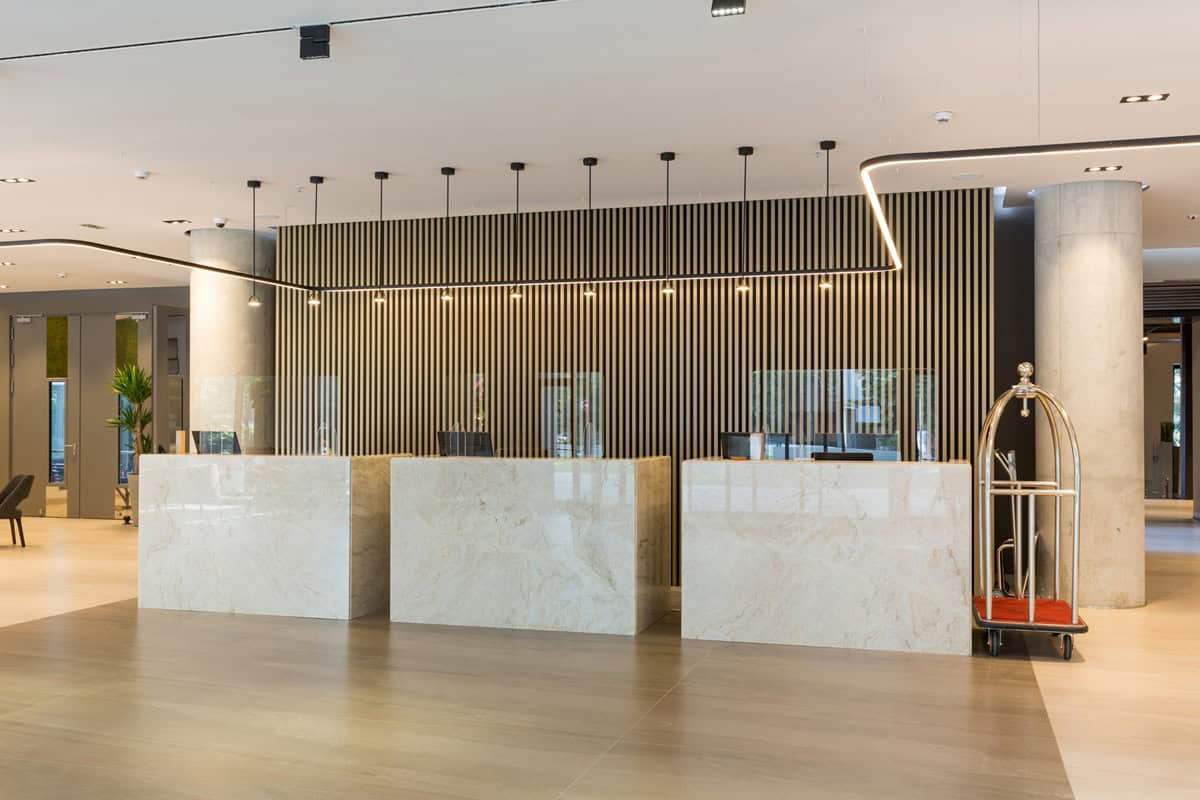
Ways to Control Costs Without Cutting Corners
You do not need to sacrifice quality to stay on budget. With the right planning, clear scope, and smart material choices, you can control costs while still achieving durable, professional results that protect your property long term.
Here are smart strategies:
- Bundle interior and exterior projects together: Combining both projects into one contract can reduce mobilization fees, equipment rentals, and administrative costs. Contractors can schedule crews more efficiently, which often leads to better pricing and less overall disruption.
- Schedule during slower seasons: Many commercial painting companies offer more flexible pricing during off-peak times. Planning your project when demand is lower may help you secure better rates and more scheduling flexibility.
- Choose durable, mid-range coatings for lower-traffic areas: Not every space needs the highest-end product. Using reliable, mid-grade paint in storage rooms or low-traffic offices can lower material costs while still delivering solid performance.
- Maintain your building regularly to avoid major repairs later: Routine inspections and small touch-ups help you catch problems early. Addressing minor peeling, cracking, or moisture issues now prevents large-scale surface damage that can significantly increase future project costs.
Preventive maintenance is often cheaper than large-scale restoration. Small, routine touch-ups, inspections, and minor repairs help you address issues like peeling paint, moisture damage, or surface cracks before they spread. By handling problems early, you avoid major surface failure, extensive prep work, and full-scale repainting that can dramatically increase long-term costs.
Why Professional Planning Matters
A large commercial painting project is more than just applying color.
It involves logistics, safety planning, crew management, and material coordination. Experienced contractors understand how to:
- Minimize downtime
- Protect tenants and staff
- Meet compliance standards
- Deliver consistent quality across large spaces
Professional planning reduces risk and protects your investment.
Final Thoughts: Budget with Confidence
Budgeting for an interior commercial painting project or a full exterior repaint does not have to feel overwhelming. When you understand the factors behind large-scale commercial painting costs, you can make informed decisions.
Start with a clear scope. Get detailed proposals. Plan for contingencies. Focus on long-term value, not just the lowest number.
A well-executed paint project protects your building, improves its image, and supports tenant satisfaction. It is not just an expense. It is an investment in your property’s future.
If you are ready to plan your next commercial painting project, the team at JK Painting Service Corp is here to help. We provide clear estimates, detailed scopes, and expert guidance from start to finish. Call 781-650-7296 today to schedule a consultation and take the first step toward a smarter, more predictable painting investment.