
Choosing the right wood stain can feel just as important as picking the perfect wall color. If you’re diving into a big project like interior house painting or refreshing your decor, knowing how to match wood stain colors can make the difference between a room that feels effortlessly pulled together and one that feels a little off. In this guide, we’ll break down the process so you can pick the perfect stain for your style and space.
Key Takeaways:
- Start with your home’s style before choosing a stain.
- Always test stain samples in your actual space.
- Avoid over-matching — subtle contrast creates interest.
- Consider regional influences for a natural, harmonious look.
- Coordinate with wall colors, furniture, and fabrics.

Why Matching Wood Stain Colors Matters
Wood stain isn’t just about color — it’s about mood, balance, and tying your design elements together. A mismatched stain can throw off the whole look of a room, even if everything else is styled perfectly.
The right match:
- Enhances the natural beauty of the wood
- Complements your wall colors and furniture
- Creates a cohesive flow from room to room
- Reflects your personal style
How to Match Wood Stain Colors Step-by-Step
Finding the perfect wood stain isn’t guesswork—it’s a process. By breaking it down into simple steps, you’ll have a clear path to a color that looks intentional, matches your home’s character, and brings all your design elements together.
1. Start With Your Home’s Style
Think about the overall vibe of your home. Is it rustic and cozy? Modern and minimal? Traditional and classic? Your wood stain should fit that theme. For example:
- Rustic homes: Warmer stains like chestnut, walnut, or golden oak work well.
- Modern spaces: Cool gray stains or very dark espresso tones often suit clean lines.
- Traditional interiors: Rich, mid-tone browns like cherry or mahogany complement formal decor.
2. Look at Existing Wood Elements
If you already have stained wood trim, floors, or built-ins, use them as your reference point. This helps create visual harmony and ensures new elements don’t clash with what’s already there. You don’t have to match perfectly — in fact, slight variations can add depth and interest — but they should share similar undertones so the space still feels cohesive.
3. Compare Stain Samples in Your Space
Lighting changes everything. A stain that looks warm in the store may appear cooler in your home, and natural light can shift its tone dramatically from morning to evening. Test samples on scrap wood and move them around at different times of day, both in direct sunlight and under indoor lighting, to see how the color really behaves in your space.
4. Coordinate With Wall Colors
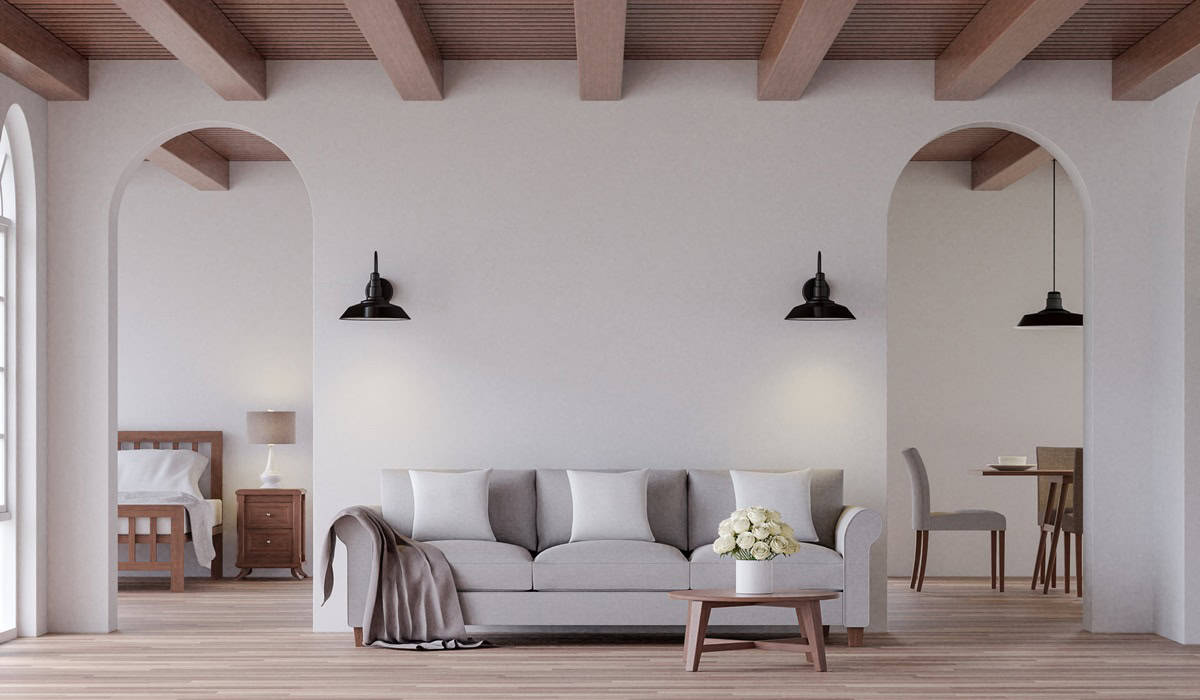
Your wood stain should complement your wall paint, not fight it. Aim for a relationship between the two that feels balanced and intentional. Dark stains pop beautifully against lighter walls for dramatic contrast, while lighter stains feel airy next to pale colors and help maintain an open, spacious atmosphere.
5. Factor in Furniture and Fabrics
If you have a statement piece of furniture or bold-patterned rug, let that guide your stain choice. Pulling a tone from these standout items can create a sense of unity in the room, making the stain feel like a deliberate part of the overall design rather than an afterthought.
Common Mistakes to Avoid
Before you grab a brush, it helps to know the common pitfalls that can derail your staining project. Avoiding these mistakes will save you time, money, and frustration in the long run.
- Forgetting undertones: Warm vs. cool tones make a big difference. Mixing them can feel disjointed and clash with the rest of your decor.
- Over-matching: Making everything the exact same color can feel flat and unnatural, robbing the space of depth and personality.
- Skipping samples: Colors on a chart rarely match reality under your lighting, so always test before committing.
- Ignoring maintenance needs: Some stains require more upkeep, especially lighter shades that can show wear and dirt more easily.
Regional Style Considerations
Your location can influence which wood stain colors look best:
- Coastal homes: Light, driftwood-inspired stains pair well with breezy, airy interiors.
- Mountain cabins: Deep, rich stains help create a warm, cozy feel.
- Southwestern styles: Honey, pecan, or reddish-brown stains echo the desert landscape.
- Urban lofts: Gray or black stains can match industrial vibes.
When you get the stain right, it ties your whole home together. If you’re ready to upgrade your space, JK Painting Service Corp can help you choose the perfect wood stain and wall colors to match your style. Call 781-650-7296 today to get started and create a space you’ll love walking into every day.