Paint doesn’t just peel for no reason.
Your exterior house painting project takes time, money, and careful planning. Before you put that money into your next exterior house painting project, there’s something worth knowing. The most common problems with exterior house paint don’t come from bad luck — they come from skipped steps that most painters never warn you about. Knowing what those steps are can save you thousands of dollars and years of headaches.
Key Takeaways:
- Peeling paint is almost always a surface preparation issue.
- Bubbling paint points to moisture problems behind the wall.
- Fading happens faster when the wrong sheen or paint grade is used outside.
- Uneven coverage and lap marks are technique problems, not product problems.
- Asking the right questions before hiring can help you avoid a bad result.
The Most Common Problems With Exterior House Paint
Walk around any neighborhood and you’ll spot them. Peeling paint near the trim. Bubbling paint on a south-facing wall. Faded siding that looked sharp three years ago. These aren’t random. Every one of these problems with exterior house paint has a root cause — and most of them are preventable.
Here are the ones that show up most often.
Peeling and Flaking Paint
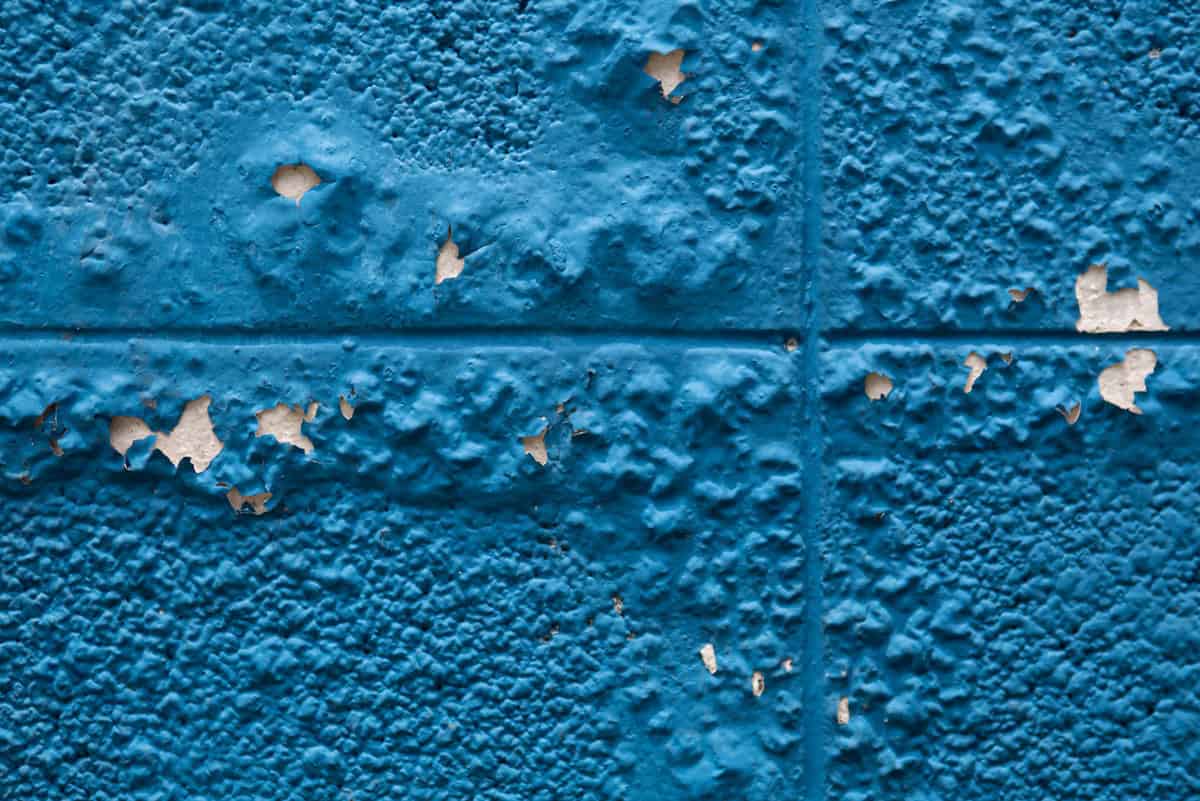
Peeling is one of the top complaints homeowners have after an exterior paint job. It almost always traces back to one thing: the surface wasn’t prepared correctly before the paint went on.
Paint needs something to grip. If the old surface is dirty, chalky, or glossy, new paint won’t bond well. Moisture trapped under the surface can also push paint off the wall over time.
Signs to watch for:
- Paint lifting at the edges
- Flaking off in large sheets
- Bare wood or substrate showing through
If you’re seeing this, prep work was likely skipped or rushed.
Bubbling and Blistering Paint
Bubbling paint is a red flag. It usually means moisture is getting into the wall — either from inside the home or from rain working its way into cracks or gaps. When that moisture heats up, it pushes against the paint film and creates blisters.
This is one of the more damaging problems with exterior house paint because it can lead to wood rot if it goes unchecked.
Common causes include:
- Painting over a wet or damp surface
- No primer used before painting
- Poor caulking around windows, doors, and trim
Fading and Color Loss
Some paint fades much faster than expected. This is often a product grade or sheen issue. Flat sheens absorb more UV light and break down faster on exterior surfaces. Lower-grade paints use less pigment, which means color loss shows up sooner.
Fading sneaks up on homeowners. The color shifts gradually — until one day you compare a photo from a few years back and barely recognize the house.
Lap Marks and Uneven Coverage
Lap marks happen when a painter applies wet paint over paint that has already started to dry. The overlap creates visible ridges or lines in the finished coat. This is a technique problem, not a product problem.
Rushing through an exterior house painting project is one of the fastest ways to end up with uneven coverage. It shows up most on large, flat surfaces like siding panels where you can see the whole wall at once.
Paint Not Sticking to Certain Surfaces
Some surfaces need special preparation before paint will stick — metal, previously painted masonry, or smooth fiber cement, for example. Skipping a bonding primer on these surfaces leads to paint that peels off within months.
This is a frequent issue on exterior house painting projects that include multiple surface types. Each one has different needs, and a good painter knows the difference.
Why These Problems With Exterior House Paint Keep Coming Back
Most of these issues trace back to three things.
- Skipped prep work. Cleaning, sanding, scraping, caulking, priming — these steps take real time. Cutting them short saves a few hours on the job but costs much more in repeat work later.
- Wrong products for the surface or climate. Not every paint is made for every situation. In areas with high humidity, big temperature swings, or intense sun exposure, product selection matters a lot more than most people realize.
- Inexperienced application. Technique affects the final result more than most homeowners expect. Brush marks, roller stipple, uneven film thickness — these are all skill-based issues that show up after the crew has left.
The tough part? You often don’t see the results of poor prep or the wrong product until six months to two years after the job is done. By then, the painter may be hard to reach — or the warranty has run out.
What a Well-Done Exterior House Painting Project Actually Looks Like
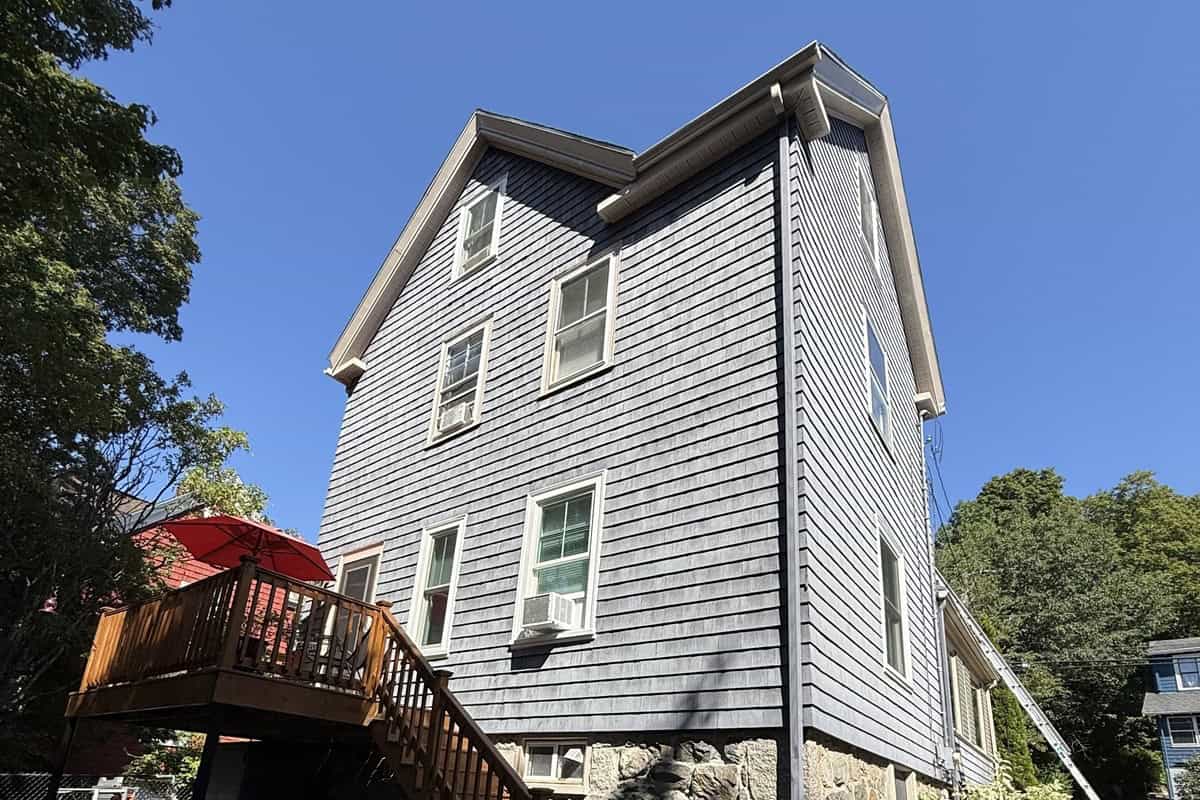
A quality exterior house painting project follows a clear process. Here’s what that looks like when done right:
Surface Inspection First
Before any paint goes on, the surface gets checked. Rot, cracks, damaged caulk, loose boards — all of it gets addressed first. This is the part most homeowners never see, but it’s what separates a job that lasts from one that doesn’t.
Thorough Cleaning
Dirt, mold, mildew, and chalky residue all need to come off. Pressure washing is common, but the surface has to dry completely before painting starts. Painting over a damp surface is one of the most common mistakes on an exterior house painting project.
Primer Application
Primer isn’t optional on an exterior. It seals the surface, blocks stains, and gives the topcoat something solid to grab onto. Skipping it is one of the main reasons paint fails early.
Quality Paint, Applied Correctly
The right product for the surface, the right number of coats, and the right technique. No rushing. No cutting corners on coverage.
A Final Walkthrough Before Leaving
A quality crew checks their own work before calling the job complete. Touch-ups happen before they leave — not after you call them back.
How to Protect Yourself Before Hiring a Painter
You can avoid most problems with exterior house paint before the job even starts. Ask any painter you’re considering these questions:
- How do you prepare the surface before painting?
- What products do you use, and why?
- How many coats do you apply?
- What does your warranty cover, and for how long?
- Can I see photos or examples of past exterior work?
A painter who answers these questions clearly and specifically is more likely to deliver results that hold up. Vague or rushed answers are worth paying attention to.

Get Your Exterior Done Right the First Time
JK Painting Service Corp works with homeowners who want their exterior house painting project done right — not redone in two years. The team is familiar with the most common problems with exterior house paint and knows how to prevent them from the start.
Whether your home has peeling paint, blistering spots, or siding that’s lost its color, JK Painting Service Corp can take a look, give you an honest assessment, and walk you through a clear scope of work.
No guessing. No shortcuts. No surprises.
Call JK Painting Service Corp at 781-650-7296 to set up a free estimate. You’ll get straight answers from a crew that treats prep as seriously as the paint itself — because that’s what actually makes a paint job last.